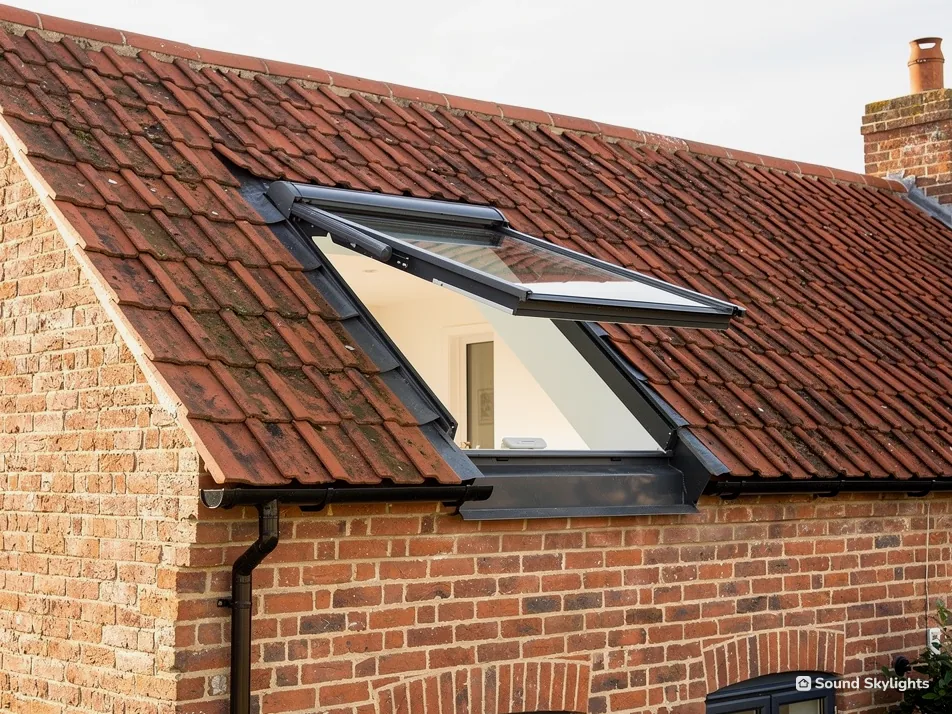
Can a cottage near the canal have a rooflight if it is in the conservation area?
The Lymm conservation area was designated in 1971, and Warrington Borough Council now looks after it. The council publishes its heritage evidence at warrington.gov.uk. Living inside it is not, on its own, a bar to adding a rooflight to a house. What matters is the address, the roof slope and the rules for your particular house, which the planning guide sets out.
A rooflight that belongs on an old roof
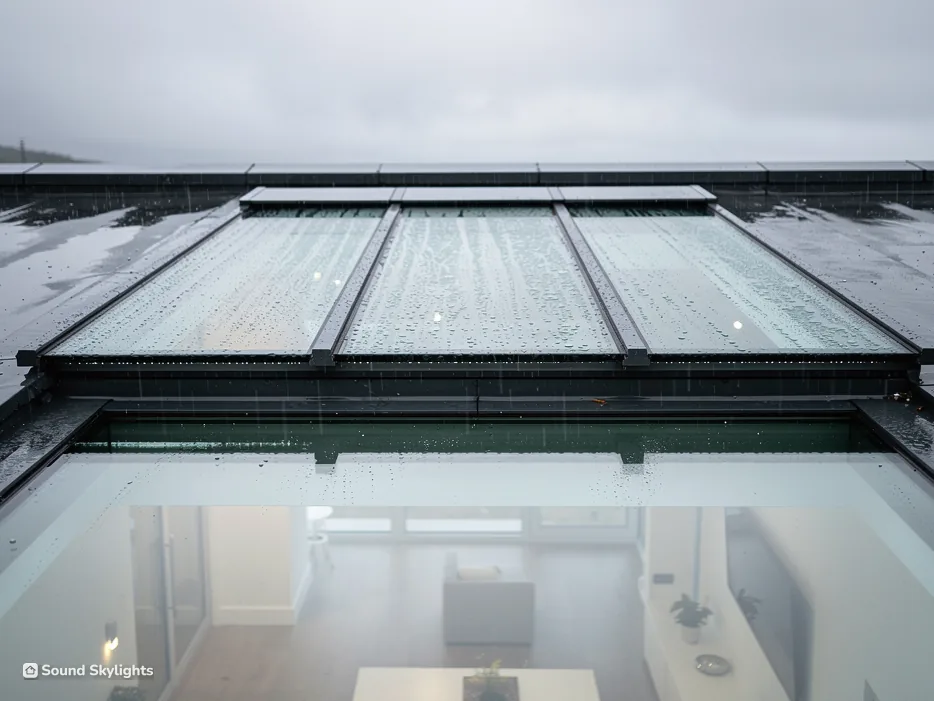
A conservation rooflight sits low in the slope and can have a slim central bar, so from the towpath or the lane it sits quietly in the covering. Some are made to sit flush with the slate or tile. Our page on choosing a conservation rooflight compares sizes and finishes.
Lymm Cross, the Hall and listed cottages
Historic England lists Lymm Cross at Grade I, Lymm Hall at Grade II* and the Stocks at Lymm Cross at Grade II. If your own cottage is listed, listed building consent will almost always be needed ahead of any rooflight work, and it decides the design. See rooflights and listed buildings for the process.
Checking first
We send your address to Warrington Borough Council as part of the survey and tell you what comes back, in plain words, before a quote is written.
Words from an old-village check
- Conservation area status
- An area the council has designated for its special character. Living in one does not by itself bar a rooflight.
- Flush fitting
- A rooflight set level with the roof covering instead of standing proud of it.
- Grade I
- The highest listing grade, given to buildings of exceptional interest.
- Consent for a listed house
- Permission needed to alter a listed building in ways that affect its character.