Will a roof lantern actually brighten my extension?
Natural light from straight above
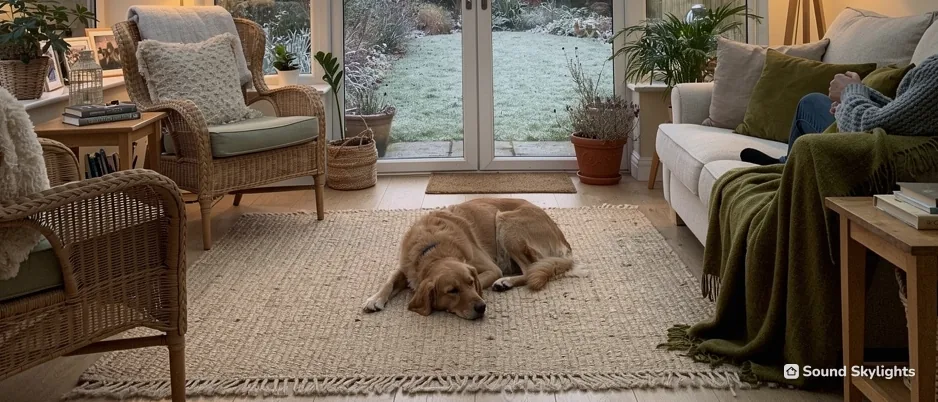
A rear extension usually takes daylight away from the room it joins. The old back wall becomes an internal wall, and the windows that once lit the kitchen or dining room now look into the new space instead. Bifold or sliding doors at the far end help, but their light falls off quickly, so on a grey Stockport afternoon the area by the house can be the darkest corner of the home.
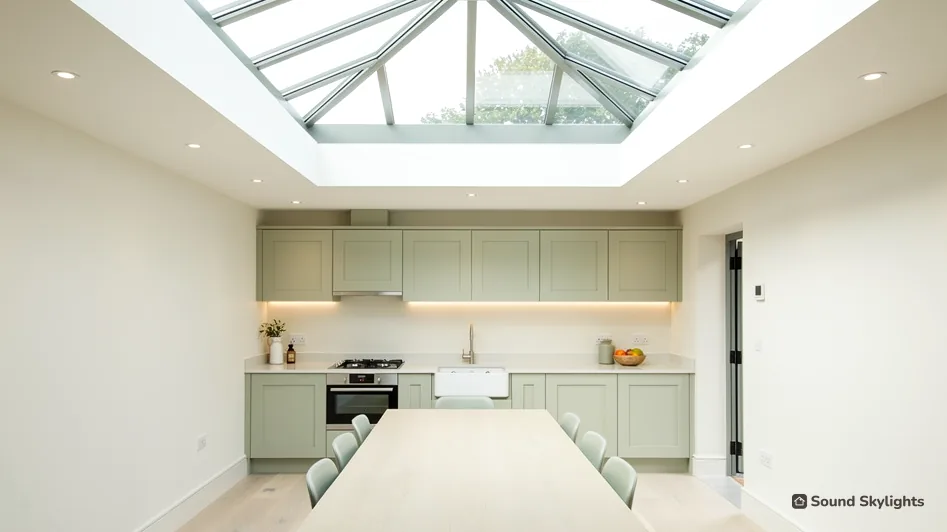
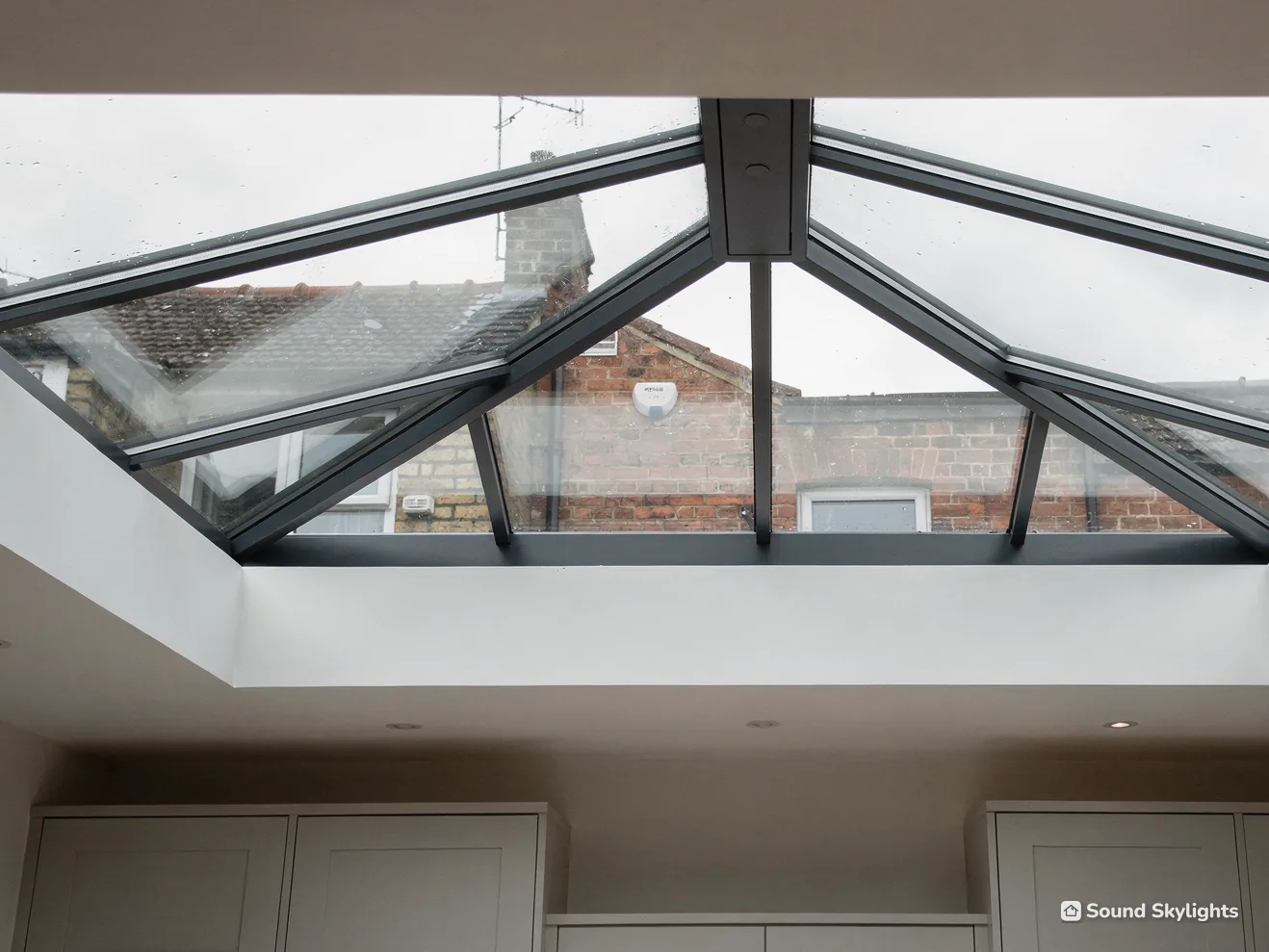
A lantern lights that from above. Because it rises off the roof and is glazed on every side, it catches sky from several directions, and the light that comes down is more even through the day than from one wall of glass. It lands on the table, the worktop or the sofa.
Weighing a lantern against a flat rooflight
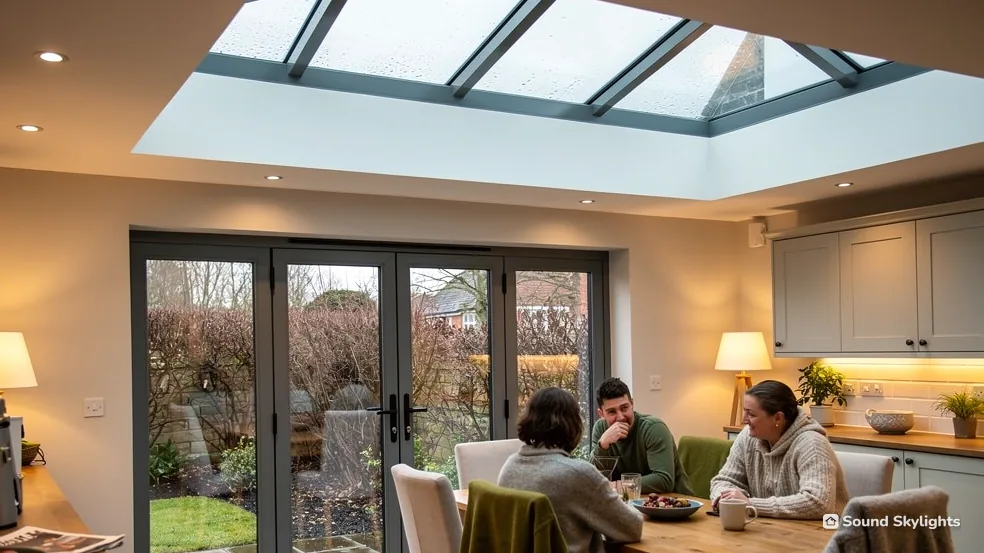
Both are rooflights on a flat roof, and both bring daylight down. The lantern stands taller and gives the ceiling a focal point; a flat roof rooflight sits lower, is quicker to fit and suits a narrow space, a bathroom or a utility room. Some homes have one of each. A sloping roof calls for a roof window instead.
Local houses whose extensions suit one
- A single-storey kitchen and dining room added to an interwar or post-war semi, the kind found across Bramhall, Cheadle Hulme, Hazel Grove and Heald Green.
- A back addition on the red-brick terraces of Reddish, Edgeley and Heaton Norris, which are short of light, and a lantern can lift what can be a gloomy corridor of a kitchen.
- A bungalow with a rear extension, or one of the stone houses of Marple, Romiley and High Lane, along the hill edge.
- An orangery-style extension, with a flat roof running round a central glazed section, which is built around a lantern from the start.
The room matters as much as the house. A lantern over a kitchen island or a dining table makes sense, while one over a TV wall can mean glare on the screen, so we ask how you use the space before suggesting where it goes.