
Why put a window in the roof at all?
Natural light and brightness from overhead
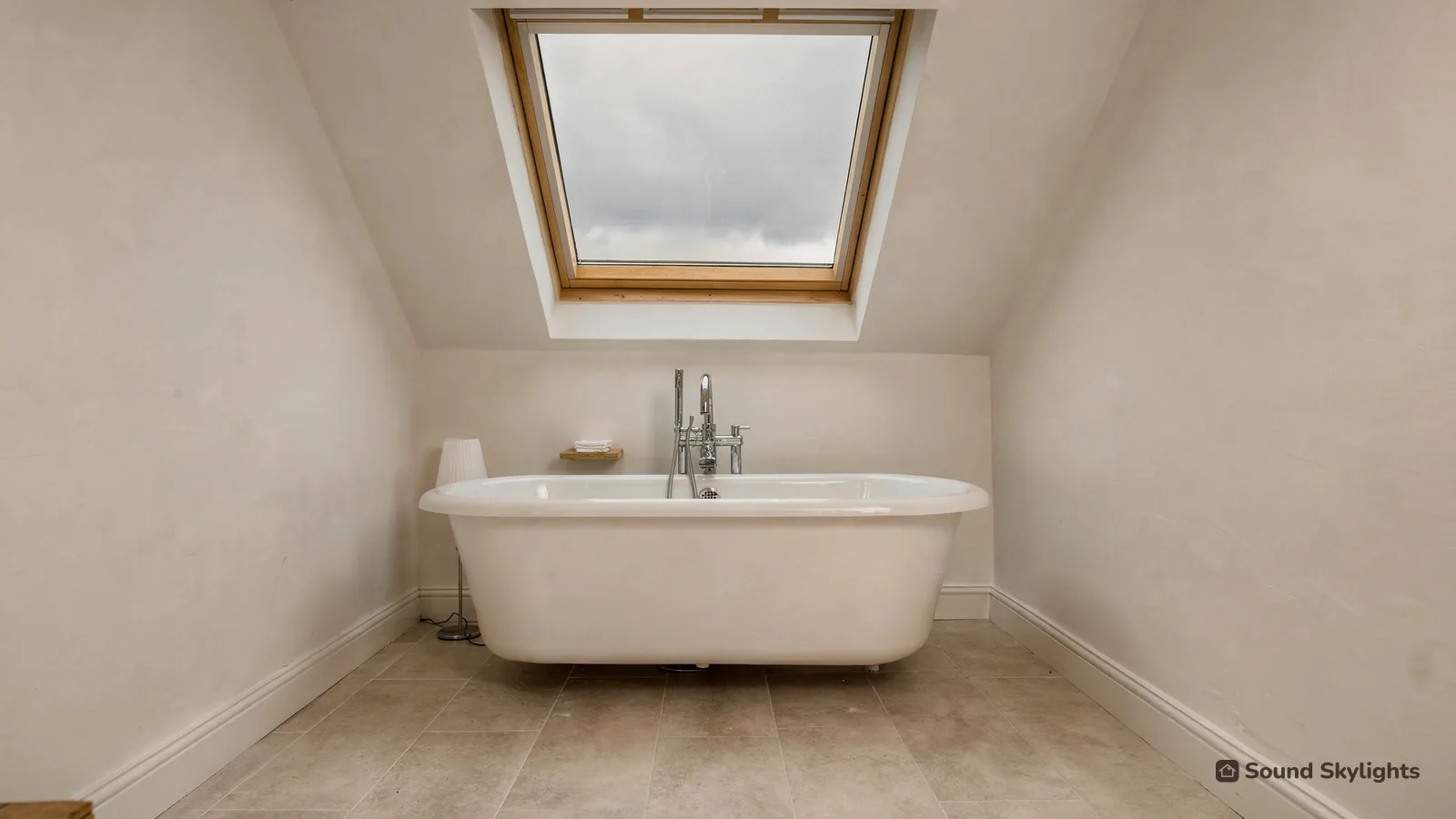
Some pitched-roof homes have rooms with nowhere on an outside wall for glass. The top landing, a loft room beneath the slope and a bathroom in the heart of the plan each rely on a bulb at noon. A roof window looks at the sky instead of the street. Light that arrives from higher up travels further into a room than light through a wall window of equal size, so the brightness reaches the middle of the floor as well as the patch beside the glass.
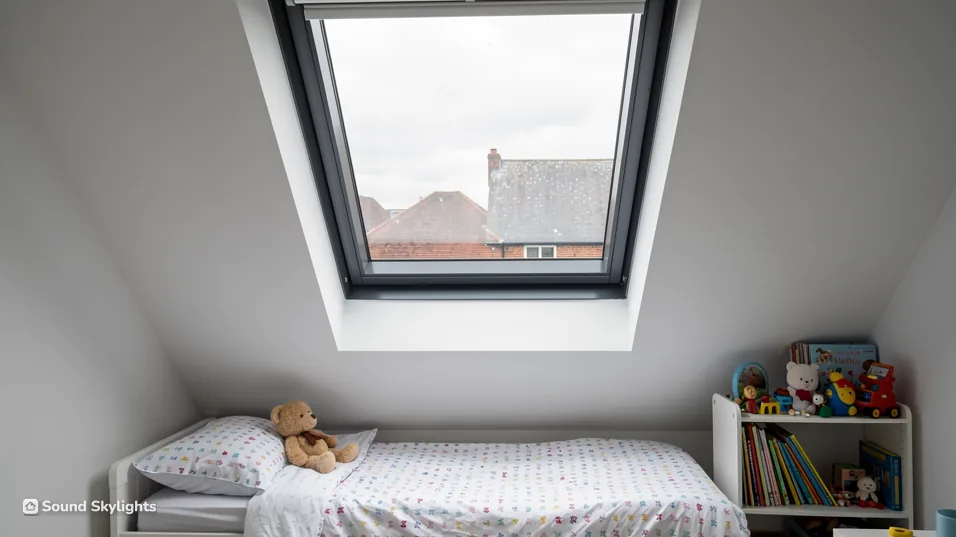
You notice the effect in how a room gets used. A box room with a window above the bed becomes a bedroom instead of a store. On a landing that was a dim corridor there is room to stand a plant, and a loft that used to hold only boxes can become a study where the lamp stays off until teatime.
Roof window, rooflight or skylight?
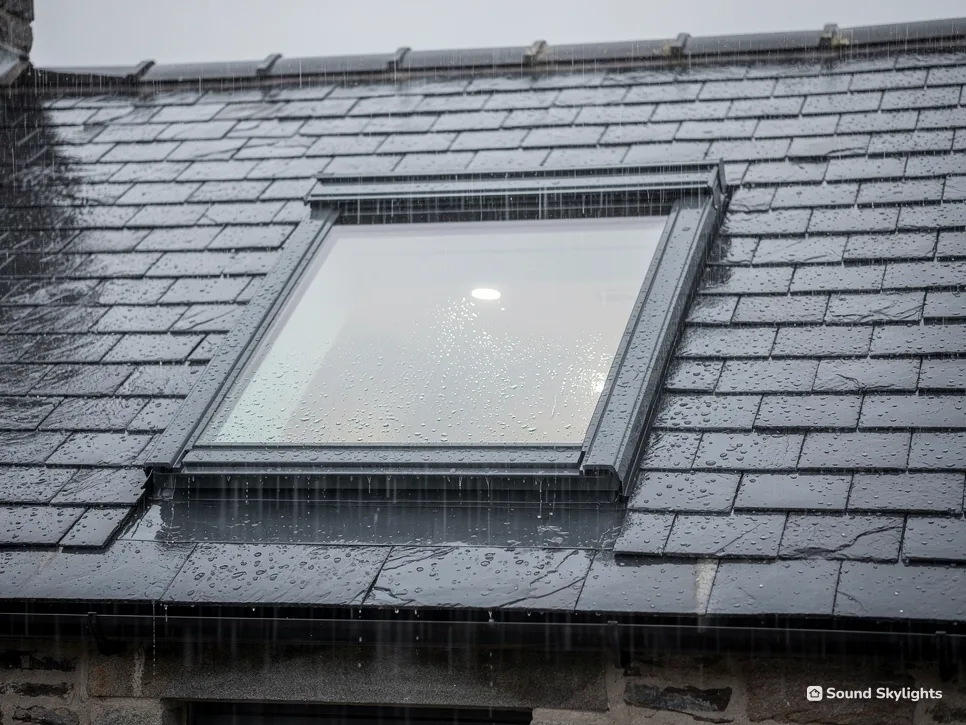
The words overlap. Homeowners say skylight and the trade says rooflight, and Approved Document L separates the two by how they sit: a roof window is installed in the same orientation as, and in plane with, the surrounding roof, while a rooflight is a glazed unit sitting out of plane on a kerb or upstand. The energy figures differ for each, and the split also shows which product belongs where. Pitched slopes generally take roof windows; flat roofs are the territory of the flat roof rooflight and the roof lantern.
When a roof window is the wrong answer
A window in the slope only lights what sits beneath that slope. A room at the centre of the house with another room above it has no roof of its own to cut into, and a flat roof asks for a different product altogether. For a hall or windowless bathroom with the roof a long way above, a sun tunnel (a light tube with a diffuser in the ceiling) carries daylight down instead. If a different product would suit the room better, the survey is where we say so, because a badly placed roof window is a disappointment to live with.