We have an older building near the centre. What sort of rooflight sits quietly in a clay-tile or slate roof?
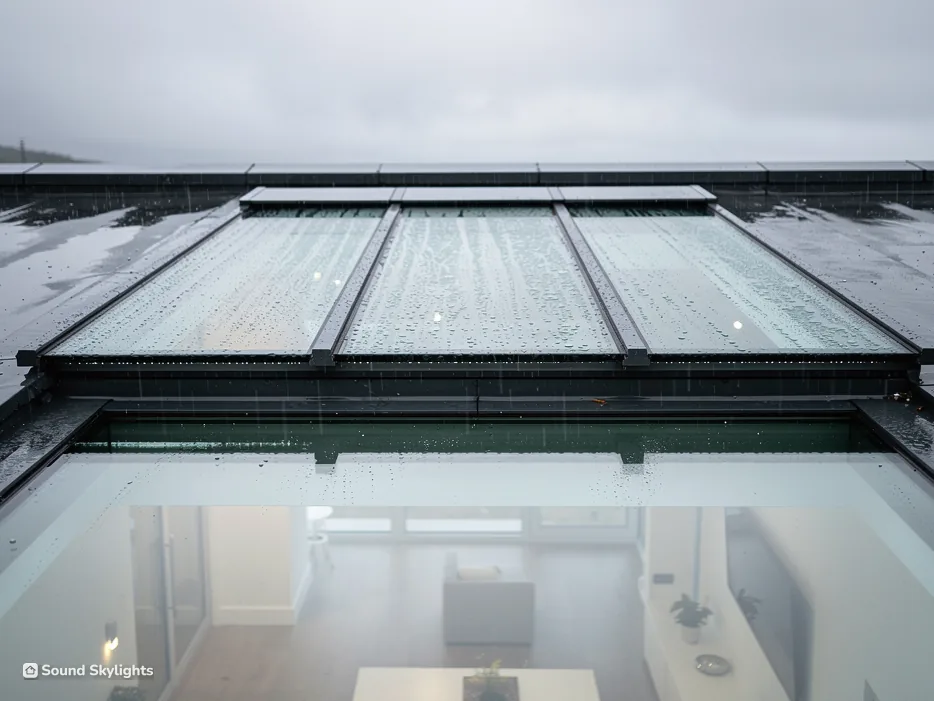
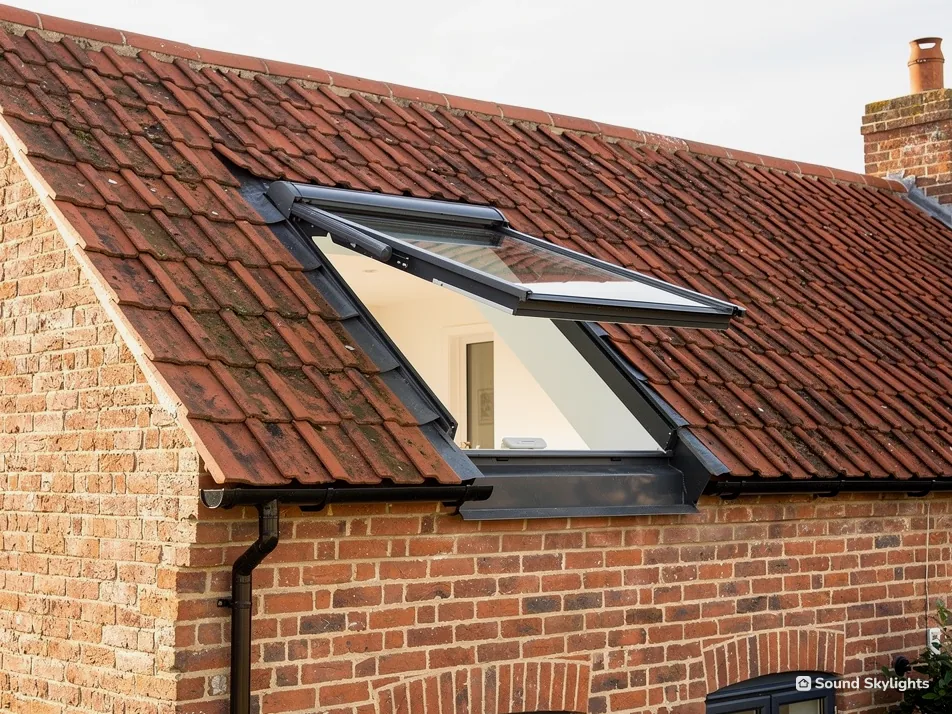
The older buildings in a market-town centre tend to mix timber-framed and brick walls under clay tile or natural slate. Those roofs are seen from the street and from the buildings opposite, so a rooflight that stands proud looks like an afterthought. A conservation rooflight lies close to the covering, with a thin frame and often a single central bar. It looks like part of the roof. VELUX makes conservation roof windows to this pattern.
Whether you must
That depends on the address. Cheshire East Council is the planning authority, and before we quote we check your address with it. Historic England lists buildings in Sandbach, including Sandbach Crosses and the Old Hall Hotel at Grade I, and the Black Bear Inn and the Church of St Mary at Grade II*. If your own building is listed, a new or altered rooflight will almost always call for listed building consent, and the consent settles the design. The page on rooflights for listed homes and buildings explains the process.
Using it day to day
An old building can have a room under the roof with low eaves. A window that opens, with a small handle within reach, is usually better there than a motor. We check where you would stand. For a flat above a shop or a pub, planning permission is needed for a rooflight, and the freeholder's consent is usually needed too, so we ask who owns the roof first.
Older-roof terms in plain English
- Low-profile rooflight
- A roof window set close to the covering, with a slim frame.
- Central bar
- The slim upright or crossbar down the middle of some conservation rooflights.
- Listed building consent
- Permission for changes to a listed building that affect its character.
- Freeholder
- The owner of the building and its roof, whose consent a flat owner usually needs.