Why do you ask what year our house was built?
Hazel Grove has no single housing style to point to, and we would rather say that than pretend otherwise. What a road village gives you is a mix. So the first question at the door is the year, and the answer shapes everything that follows.
What the year tells us
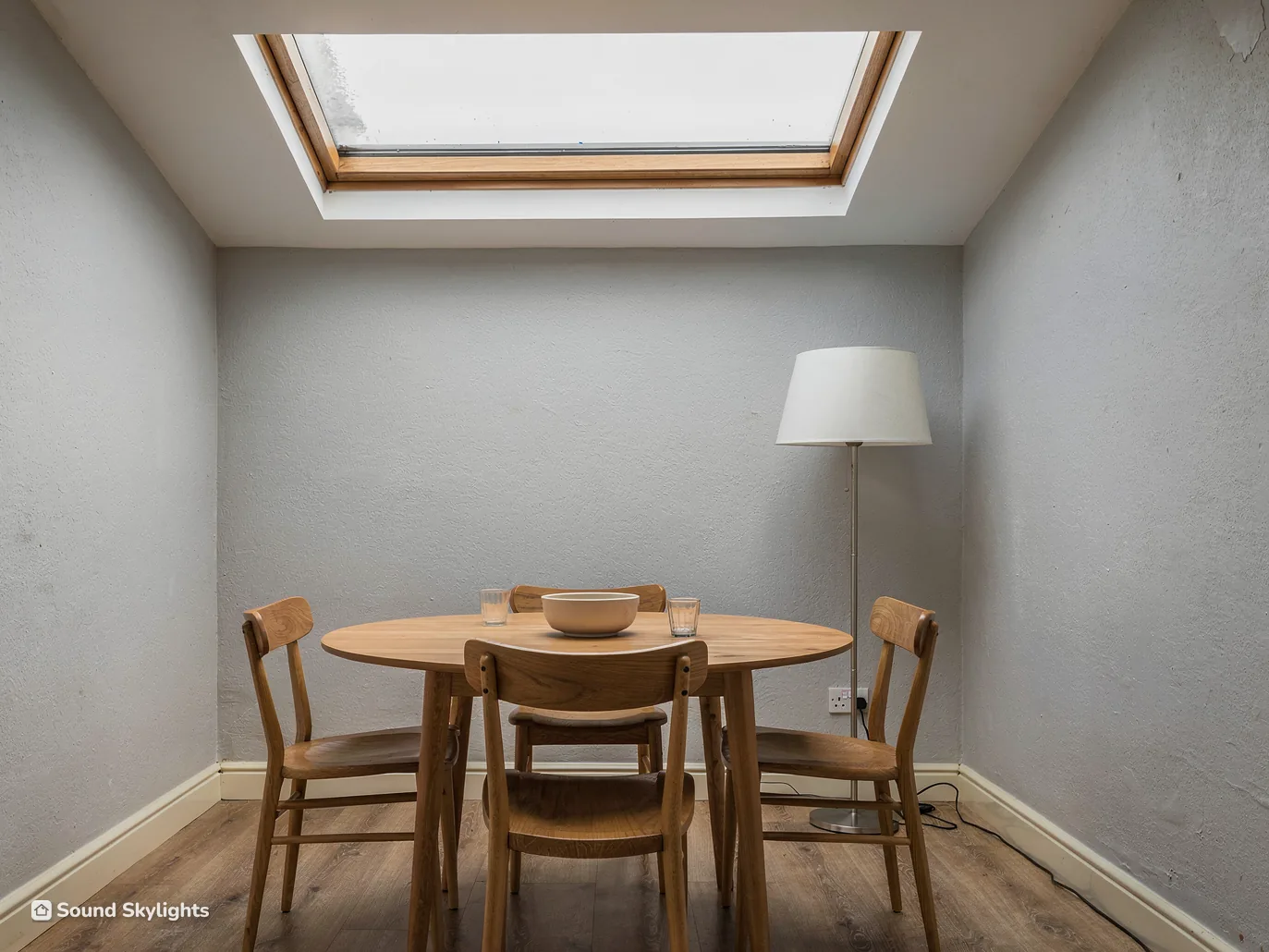
A house from the Victorian or Edwardian years is likely to have tall rooms, which puts a loft window a long way up and makes the opening method the main decision. A 1930s semi may have a hipped roof, where the slope runs down at the side as well as at the front and back, which leaves less roof for a window. A later house tends to have a simpler roof and a lower pitch. None of these is a promise about your house. They are reasons to look before we recommend.
The covering
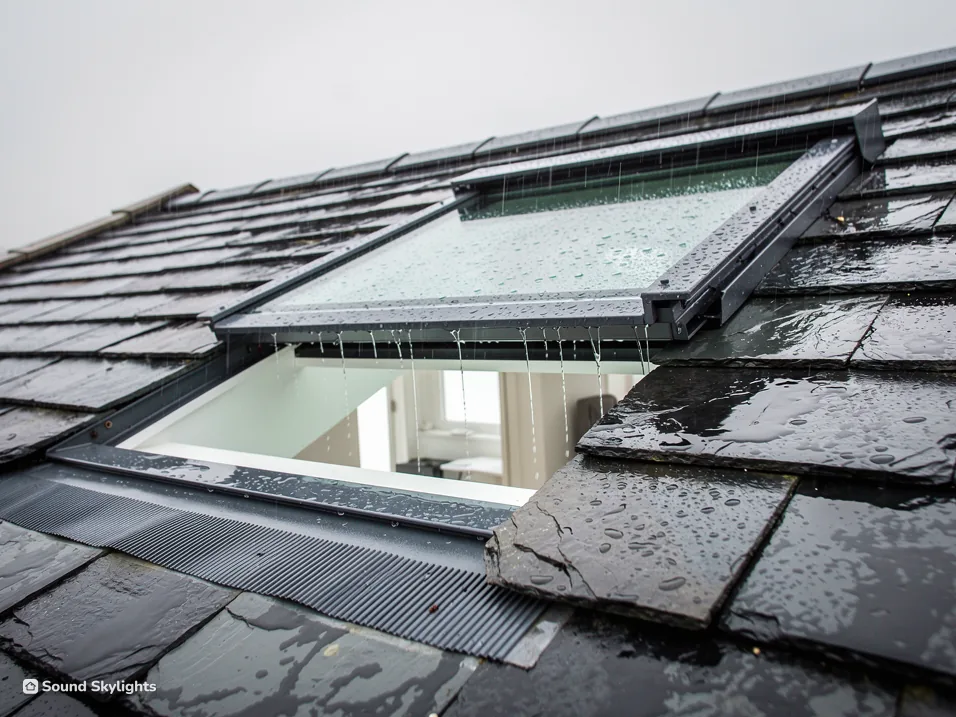
Slate, clay tile and concrete tile each take a different flashing kit. We look at yours on the survey, and at where the rafters fall, because the window size follows them.
A word on extensions and conversions
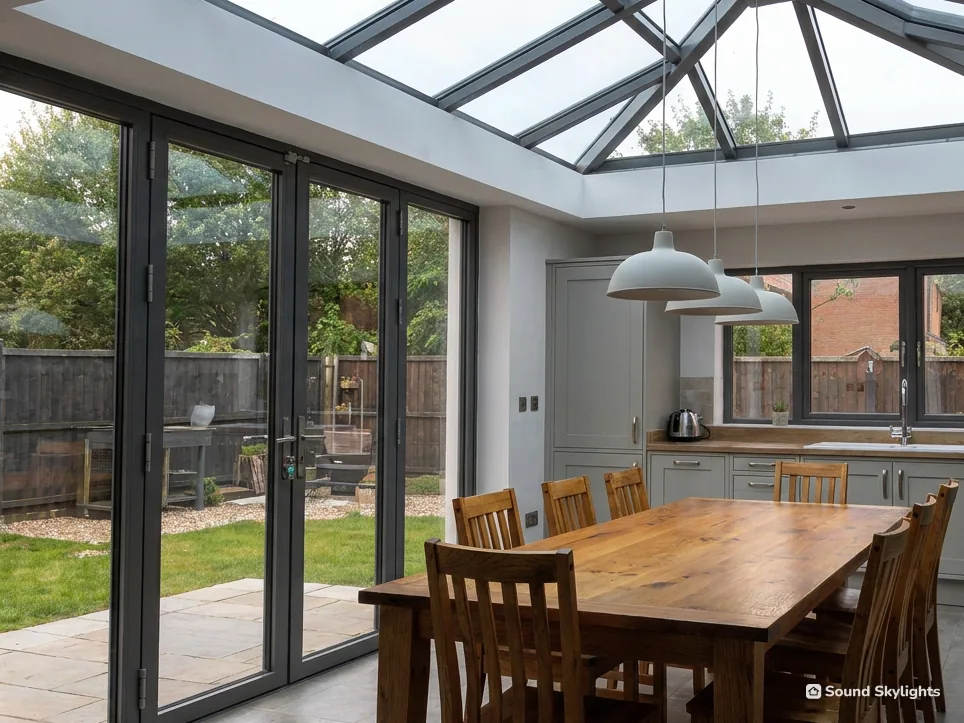
If your house has had a loft conversion, a rear extension or both, each addition has its own roof, and each can take a different rooflight. We look at every roof on the survey, because the best place for the new window is sometimes the older roof and sometimes the newer one.
Then the room
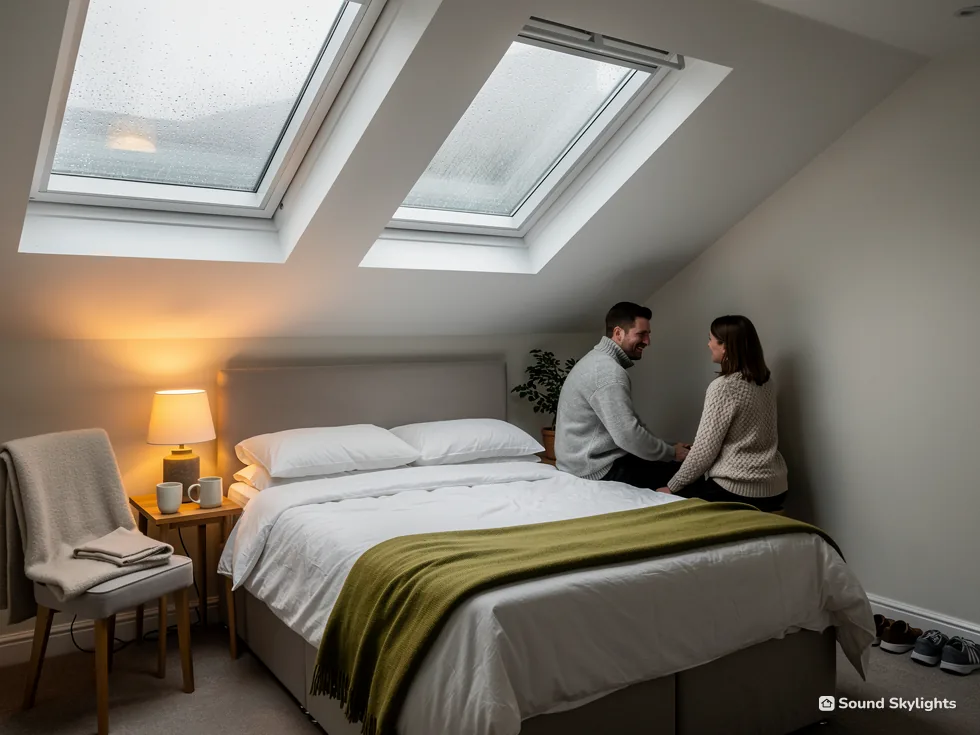
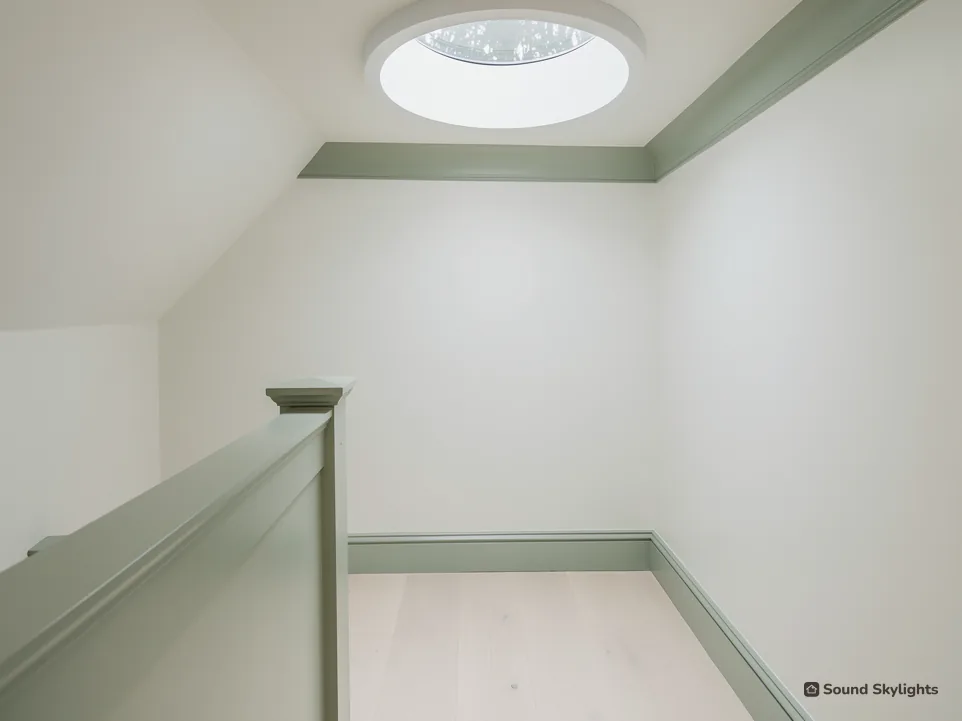
With the roof understood, the choice turns on use: a bedroom wants blackout, a study wants easy opening, and a landing wants only light. The guide to blinds and controls shows what is on offer.
Hazel Grove, first question
Tell us the year, the roof covering and which room needs light. The rest follows.