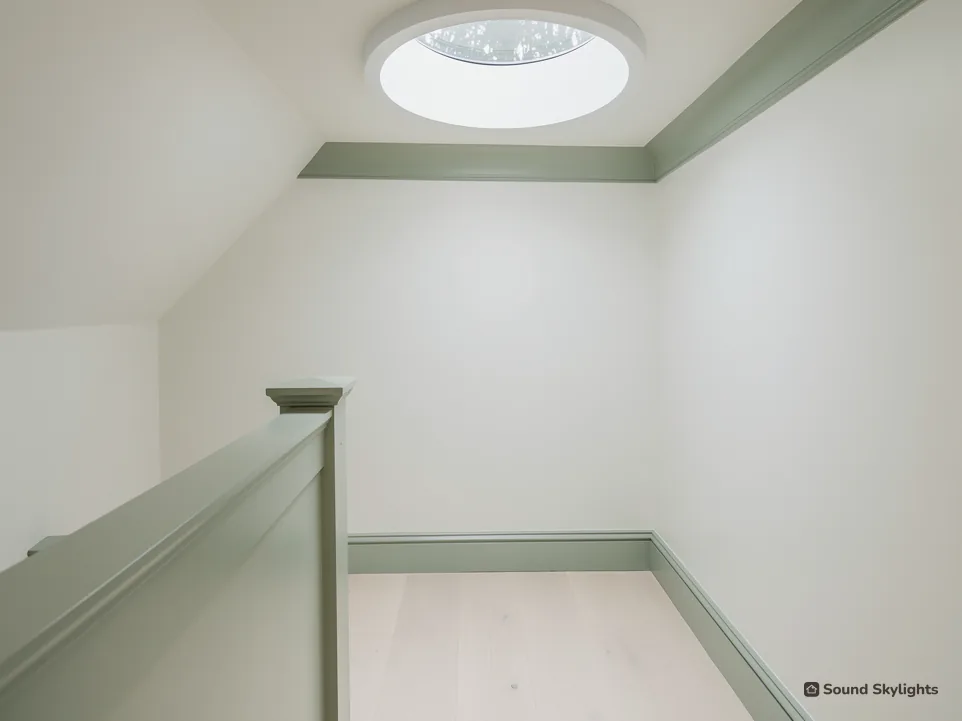
Should a dark terrace landing get a sun tunnel or a roof window?
Farnworth grew around its pits, foundries and mills, and a terrace from those years can have a stair landing that never sees daylight. A semi can have the same trouble, with a landing running through the middle of the house. The two usual answers are a sun tunnel and a roof window, and they are different things.
What a sun tunnel does
Daylight enters a small roof dome, travels through the loft in a tube and comes out of a ceiling diffuser. It brings daylight into a landing, bathroom or hall that has loft space above it. It does not open and it gives no view, which for a landing is usually fine, because nobody lingers there. There is nothing to reach, no blind to work and little to clean beyond the dome.
What a roof window does
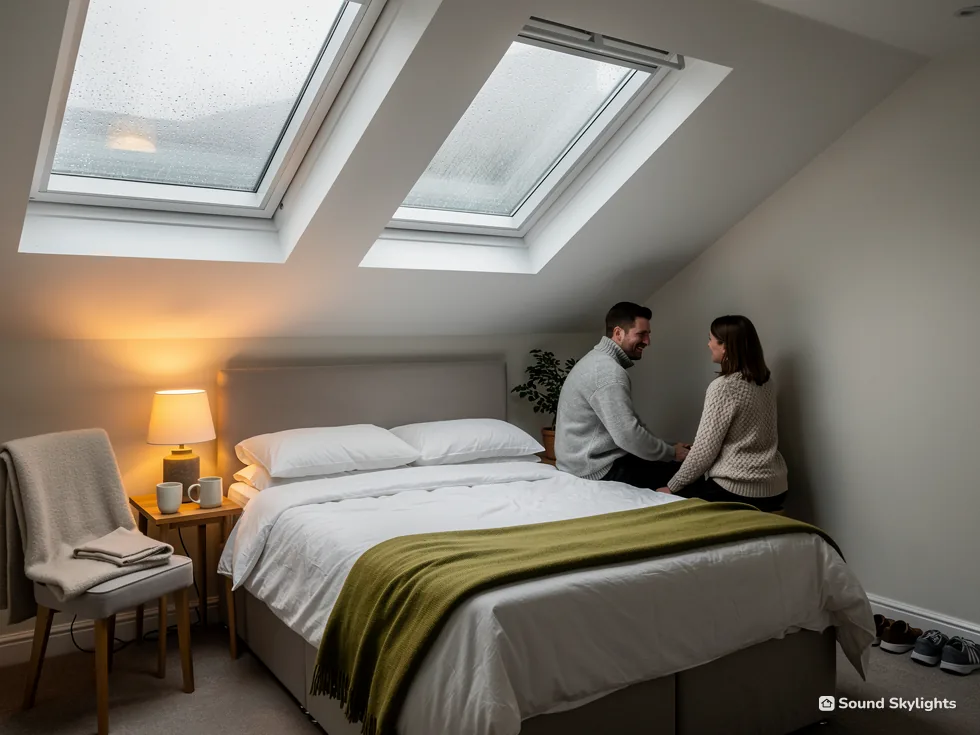
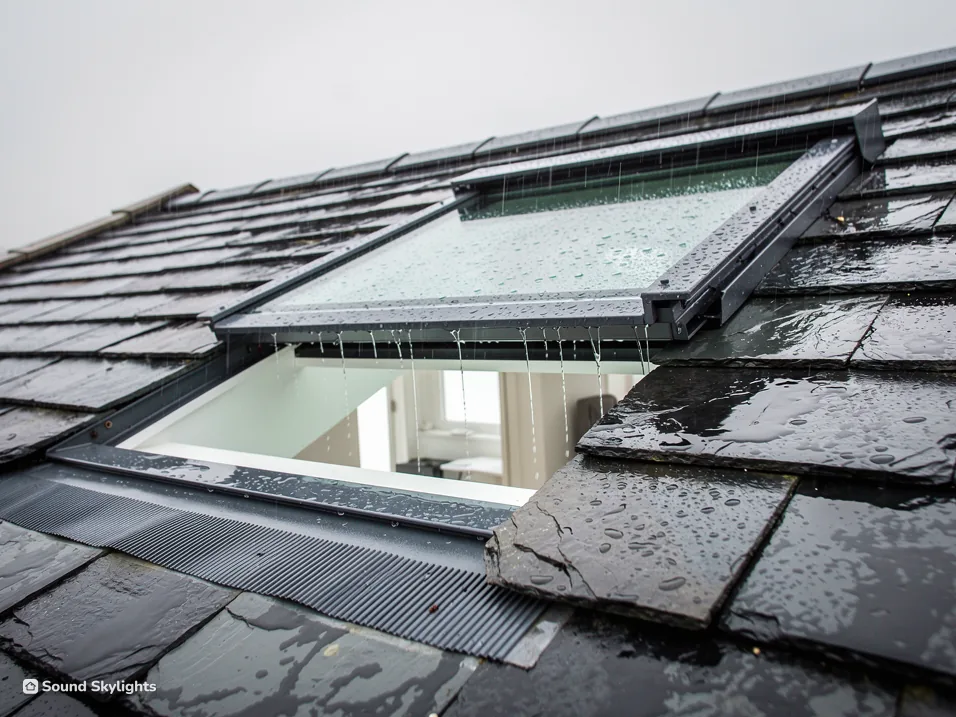
A roof window needs a way through the loft floor and ceiling, so it suits a room that is already a room, such as a converted bedroom. It opens, it lets you see the sky and it can carry a blind. The price of that is a window to reach, shade and clean, which is why the first question is who will use the space.
Choosing on the landing
If the landing only needs light, the sun tunnel is the lighter job, with no moving parts to learn and nothing to shade. If the loft above is going to be a room, the window you fit for the room may also throw light down the stairs, and one opening can do the work of two. We would rather ask you what the loft is for than sell you the first thing that fits. Our room-by-room sun tunnel guide goes through the options.
Terms for a stairwell that needs light
- Dome
- The clear cap on the roof that gathers daylight for a sun tunnel.
- Diffuser
- The frosted panel in the ceiling that spreads the light through the room.
- Roof void
- The loft space a sun tunnel passes through on its way down.