A Victorian mill-town valley, street by street, in Ramsbottom

Skylights and rooflights for Ramsbottom's Victorian mill-town houses on the Irwell

Ramsbottom grew in the 19th century as a mill town on the River Irwell, with high ground rising sharply on either side. Each rooflight is picked for the room, the slope and the person at the window.

Takes you to the survey form on this page and adds your postcode to any WhatsApp message.

  • Handle height measured in the room, then reach and controls planned
  • Bury Council asked about conservation areas before any design begins
  • Condensation on the glass considered in the choice of rooflight and blind
22 road miles north of Stockport

Ramsbottom developed during the 19th century as a manufacturing and mill town on the River Irwell, in the West Pennine Moors. Mills were built for spinning, weaving and printing, and Square Mill combined many of those processes under one roof. The railway arrived in 1846 and a station opened in the town centre. The suburbs stretched from Hazelhurst to Stubbins, and the Victorian architecture, the Pennine landscape and the industrial heritage, the East Lancashire Railway among it, now draw visitors. High ground rises sharply on either side of the town, with Holcombe Moor on one side and Harden Moor, Scout Moor and Whittle Hill on the other.

Loft rooms vary from house to house, so how high a roof window sits above the floor, and how you reach its handle, can change from one street to the next. Parts of the town also carry conservation areas and Article 4 directions, so we check the address first. A Ramsbottom survey begins with the slope, the room below and the person who will use the window.

Rooflights for the valley sides and the older streets

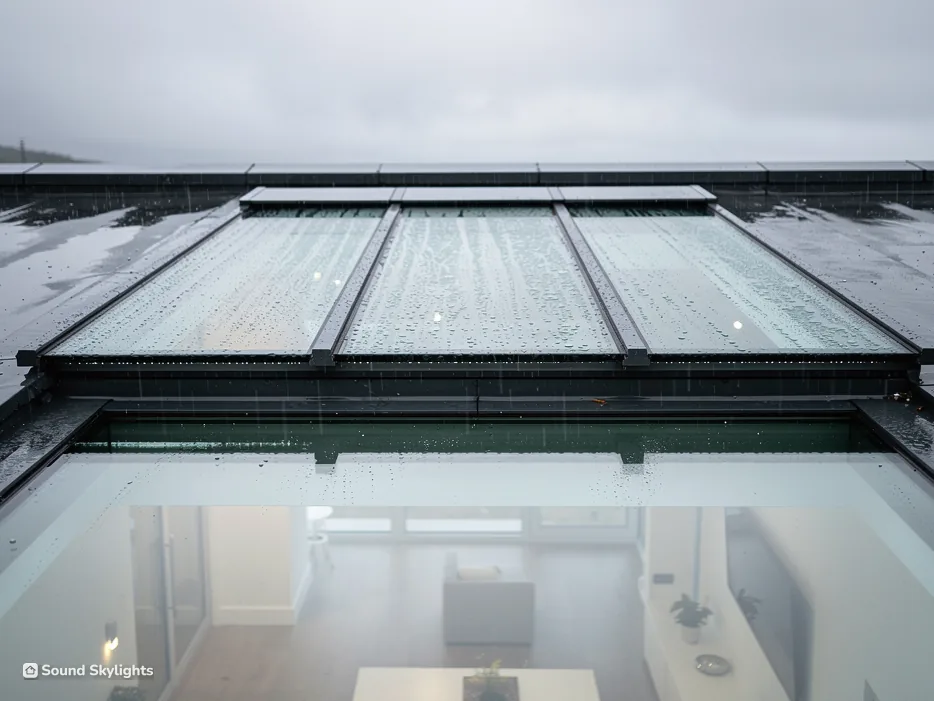
These five suit a Victorian mill town: flush rooflights for older roofs, roof windows for lofts, glazing chosen with condensation in mind, and a sun tunnel for the landing with no light.

What Ramsbottom's valley houses ask of a rooflight

Reaching a window on a sloping street, checking the older parts of town and dealing with water on the glass are the questions that shape a Ramsbottom survey.

Our street climbs the valley side. What decides how we open a roof window?

Houses a few doors apart can have quite different roofs and loft rooms, whatever the slope of the street. The same roof window can be an easy reach at one address and out of arm's length at the next. We measure rather than assume.

Starting with the handle

A standard manual roof window has its handle along the top edge. In a loft with a low eaves line, that handle may be just above the head of a tall adult. In a loft with a high ridge it can be well out of reach. A pole hooks the handle and works for a window opened occasionally. A bedroom window used every day suits a handset, which works on mains power or on a solar cell.

The blind goes with it

A blind that cannot be reached is a blind nobody closes. On a window that needs a pole or a handset to open, choose a blind that uses the same control. Blackout suits a bedroom, a pleated blind suits a study, and a landing may want neither. Our blinds and controls guide sets out the choices.

Who opens it

A teenager can use a pole. An older relative may prefer a button, and a young child needs the handle out of reach and the opening limited, with an adult still able to open the room's escape window fully, if it has one. We ask who will use the room before we recommend anything, since the right control for one household is the wrong one for the next.

When nobody is home

VELUX describes rain sensors on some of its electric and solar windows, which close the window when rain starts. Where a loft window gets left open all day, the rain sensor guide explains what a sensor can and cannot do.

On a sloping street

Measure the handle height in the room before you pick the window, not by guesswork.

Parts of Ramsbottom are protected. What does that mean for a rooflight?

The planning data records conservation areas in the town, and they include Ramsbottom and Summerseat. Bury Council also publishes its own pages on the Ramsbottom conservation area. A house inside one can still be given a rooflight in England, but the position can change if other controls apply.

Article 4 directions

Article 4 directions are recorded over parts of Ramsbottom. Where one applies, work that would normally need no application may need one. What each direction covers is not something we assume, so we check your address with Bury Council before we quote.

Houses on the national list

The national list includes Hey House, Grade II*, and the Church of St Paul and the buildings at 50 to 58 Bridge Street, all Grade II. A house on that list would almost always need listed building consent before a rooflight was added or changed. Our listed buildings guide explains how it works.

Which rooflight suits an older roof

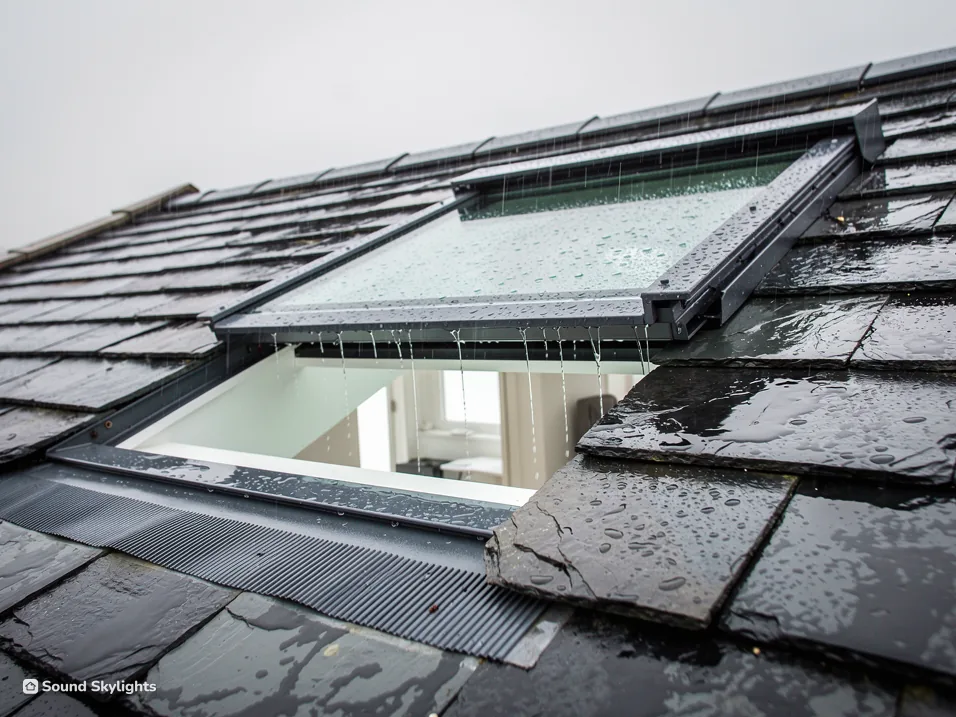
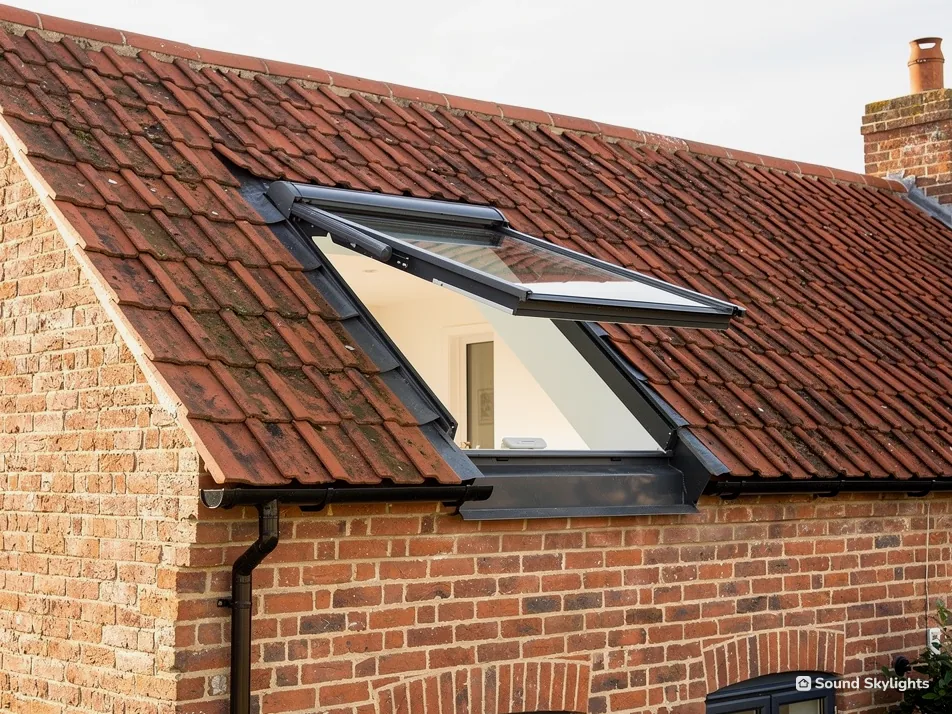
A conservation rooflight is made to lie close to the slope, with a slim bar, so from the street it looks like part of the slate. Where the address is protected, it is worth looking at first, and the choosing guide sets out what to compare. Where the house is not protected, a standard roof window may do as well.

Planning for the rest

For a house with no direction or planning condition on it, listed or not, a rooflight is normally permitted development within conditions that the planning guide lays out.

Terms for a protected address

Designated area
A part of town set aside by the council for its special character.
Direction area
A zone where the council has switched off some of the usual rights to alter a house without applying.
Listed building
A building on the national list kept by Historic England, where changes that affect its character need consent.
Flush fitting
A rooflight set low in the slope so it sits close to the covering.

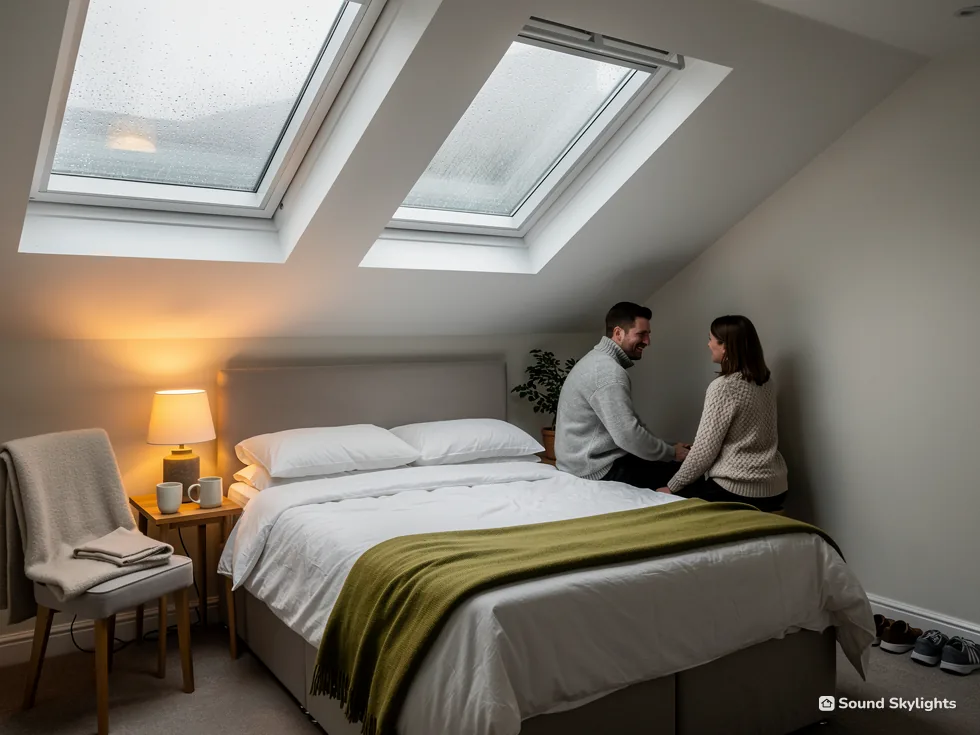
Water runs down the glass of our loft window on cold mornings. Is the rooflight at fault?

Ramsbottom stands at the Pennine edge, in a valley with high ground either side, and a loft room there can feel cold on a still winter morning. When warm air from a bedroom meets cold glass, the moisture it carries turns to water. That is condensation, and it is a question about the room as much as the window.

What feeds it

A bedroom full of sleepers, a drying rack, a hot bath next door and a cooking kitchen all put moisture into the air. Ordinary glass in an old window can get colder than the room, which is where the water forms. Our condensation guide explains the process.

What helps

A newer rooflight with better glazing keeps the inner pane warmer, so less water forms. Opening the window a little each morning lets the damp air out, and an extractor in the bathroom keeps steam from reaching the landing. A drawn blind traps damp air against the cold glass and makes it worse, so leave the blind open while the room airs. A window that opens with a handset can be cracked open at the same time each day without anyone having to reach it.

Choosing the glazing

Makers describe the performance of their glass in their own literature, and we explain the choices at the survey. Our guide to energy-efficient rooflights sets out what the term means for a home.

A tired window

If the water forms between the panes rather than on the room side, the sealed unit has failed, and that is a different problem. We cover it in the misting guide.

Water on the glass

Look at where the water forms. On the room side it is condensation, and between the panes it is a failed seal.

We are converting the loft of a Victorian house. What should the roof windows do?

A loft conversion in a mill-town house turns an unused space into a bedroom or a study, and the roof windows become its lighting, its ventilation and often its main view. They deserve as much planning as the stairs.

Front, back or side

The rear slope can be the easiest place for the windows, since it is out of sight from the road. A window on a slope that faces the side of the house carries extra conditions, set out in the planning guide, so it helps to know about them before the layout is drawn.

Sizing and spacing

Think about the stairs too. A conversion changes how the staircase meets the roof, and a window near the stairhead can light the way up as well as the room. We look at the headroom at the survey, since a roof window is only useful where someone can stand beside it.

The rafters decide where a window can go without extra framing, and the size of the room decides how many you need. Two smaller windows can sometimes light a long room better than one large one. Our loft conversion window guide goes through sizes.

The room's first user

If a teenager takes the room, blackout and a pole are enough. If a child sleeps there, limiters and a high handle matter, so long as any escape window still opens fully for an adult. If you plan a study, a pleated blind against glare may be all that is wanted. We ask before we suggest, because the same window can be a good fit for one and a poor one for another.

Escape and paperwork

The conversion needs a planned way out of the house for anyone on the new floor; the Building Regulations guide sets that out. For the windows we supply, the notification to building control is something we look after when the job is notifiable.

Up and down the valley

Ramsbottom

The map's ring is a radius drawn straight from Stockport, so Ramsbottom falls inside it even though the roads run longer.

Can we reach your Ramsbottom address?

Ramsbottom lies 22 road miles north of Stockport, from the town centre by the Irwell out to the suburbs between Hazelhurst and Stubbins.

Takes you to the survey form on this page and adds your postcode to any WhatsApp message.

Nearest town pages

Ramsbottom rooflights: short answers

Which council covers planning in Ramsbottom?

Bury Council. You can go to the council for building control, or use a registered building control approver instead. Your address goes to the council before we write the quote.

How can we find out if our road has an Article 4 direction?

Ask Bury Council, or look on planning.data.gov.uk, though that data can be incomplete. We check the address with the council as part of every survey, so you do not have to chase it yourself.

Our landing has no window. Does a sun tunnel suit a Victorian house?

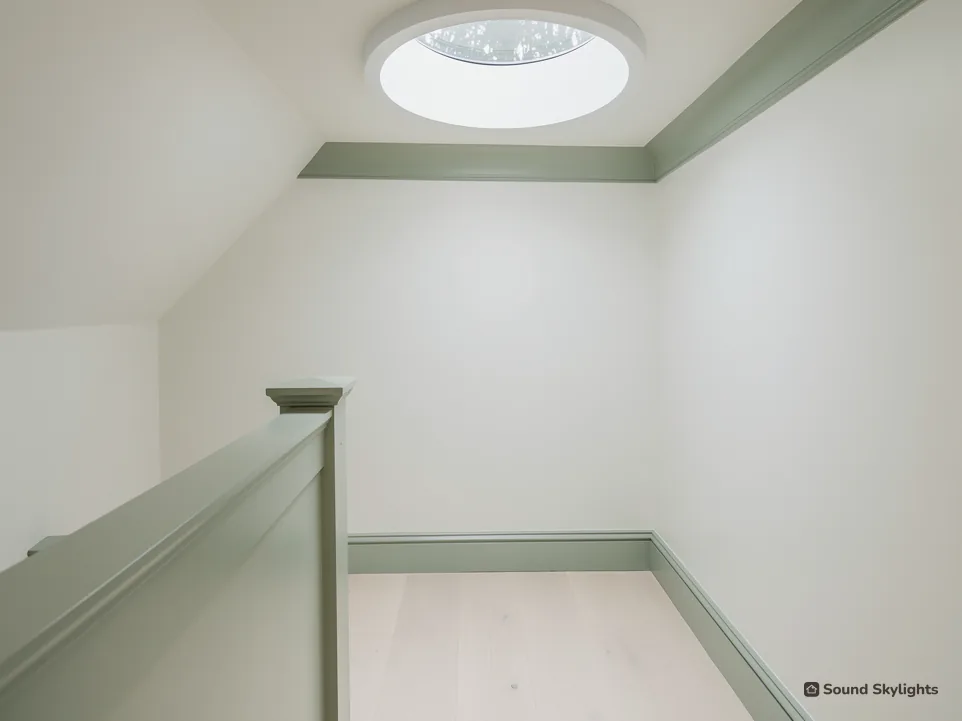
It can, where there is loft space above the landing. A sun tunnel needs a dome on the roof and an opening cut in the ceiling for the diffuser. It does not open or give a view. See which rooms suit one.

Can the old roof window be swapped without scaffolding?

Sometimes it can, from inside and from a roof ladder, and we say what your roof needs at the survey. The guide to replacing without scaffolding explains when it works.

We own a flat in a converted mill. Can we have a rooflight?

A rooflight on a flat needs planning permission, and the freeholder usually has to consent as well. Both come before the survey is worth booking. After that, the roof and the room below are looked at as for any other job.

Do you give a price over the phone?

No. We survey first and then give a fixed written quote, since the covering, the pitch and the room below all change the work. The cost guide shows what moves a price.

Free survey

Book your free survey

Tell us about the room and the roof. We visit, measure and send a fixed written quote for the job in Ramsbottom.

  • Fixed written quote
  • We handle the Building Regulations notification where the work is notifiable
  • 10-year workmanship guarantee

Request my survey